
To me the uprising of the subject is funny. When people have a problem with the affected staff of atypical fashion store, plastic's validity will end up being the only issue in buying into the very very latest. However, these issues come up during the economic recession when store's staff gun to please people for profit.
Excuse me if I sound a little cynical when I say that fashion's systemic involvement cross medium from media to designer to buyer to influence one another's relevance and buy-ability is an interesting system. During scant sales magazines address fashion's problems in one single issue to move magazines. Magazines make clothes look cool and increase a designer's visibility by writing and showcasing designers. In effect, buyers from department stores and stylists to celebrities spend money on those clothes, and then people finally buy them for a profit. In the end, magazines win because they sold magazines because they addressed the issue, designers win because they made the clothes magazines use, stores make their profits and the consumer, at the end of the chain feels good because they were directly appealed to by the magazines.
This is a concern to me because these issues are called out, but the issues come in style -trends if you may. A trend in fashion is one easily disposable because you make money off of the trend, you talk about the trend, and then it's exhausted through that talk. In the end, the industry is more about making money from the old system than it is changing itself.
Think: the black issue of Vogue Italia two summers ago. Every editorial in that issue featured black girls. Every ad in that magazine had white girls in them. Black models had a moment, oui? Oh right, a moment. People were talking, yes, there should be more black models modeling clothes! They are models too! Talk. But Vogue Italia made just as much money on that concept for the one off issue full of black models as they did for the advertisement featuring white models in designer's ad campaigns. Money.
V Magazine takes the stage for platforming plus size models in Febuary's Edition. The editorials are reassuring - most fashion people do not talk of plus size models as if they are photographable. But something fishy seems to be going on. Look below.
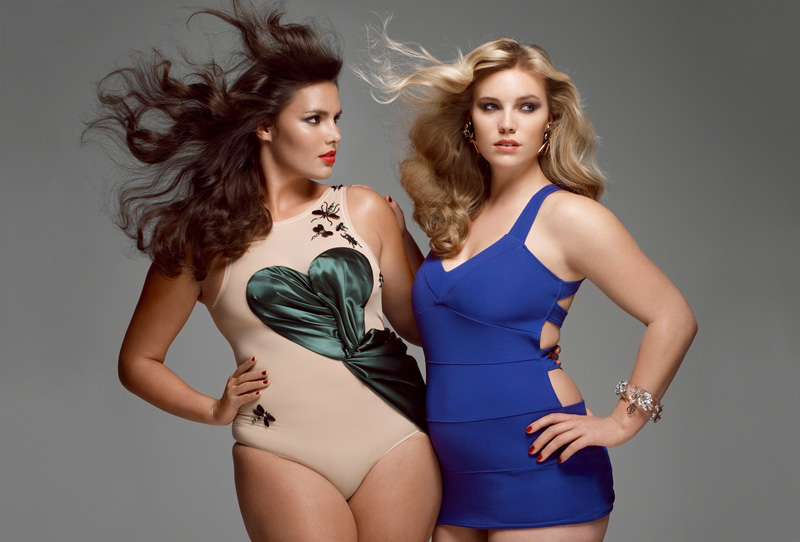
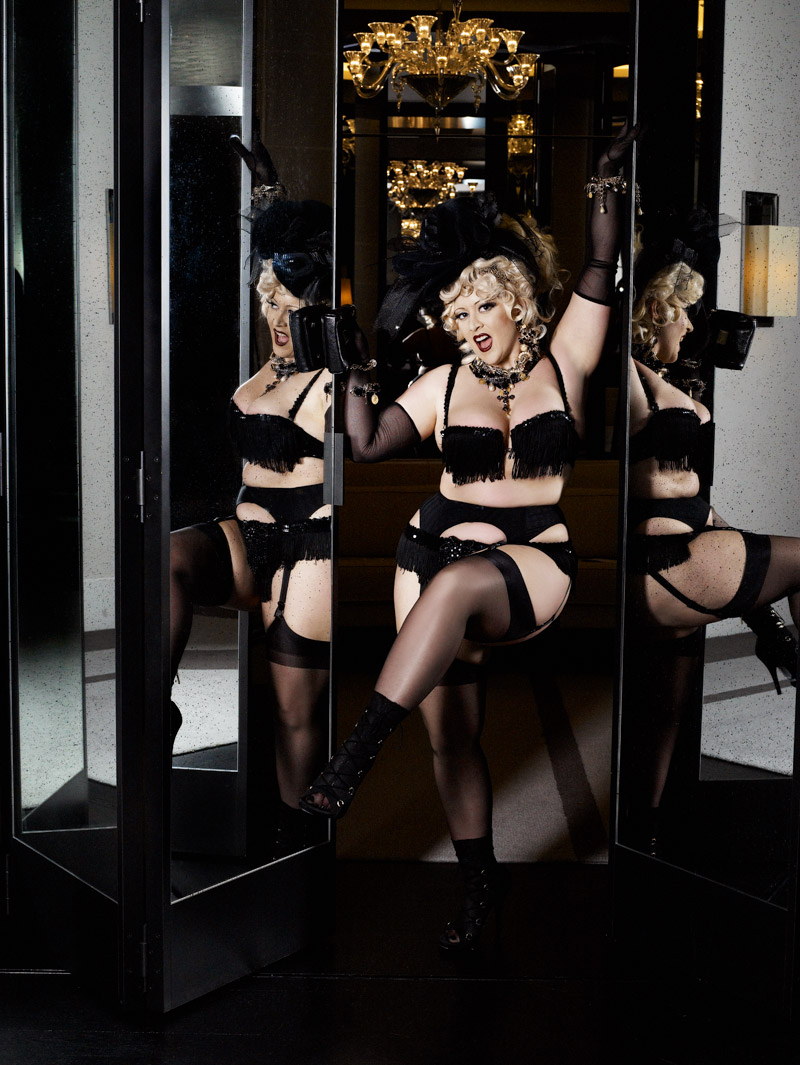
I find it interesting these two different editorials in V do not use "average" sized girls for models. I read an op-ed in W magazine a long time ago when my aunt had a subscription that mentioned a designer who used a model sized 20 in response to this same issue some years ago. The author said this was no help to the issue. Having a portrayal of an extreme is acknowledging the problem in fashion; but in a way it's mocking the problem. Giving people such an extreme case of a new "normality" is not helpful when is is so extreme because the people you are trying to convince are not given the bridge they need to cross from their normality to the new. But intentions can be debated.
But my problem with the pictures above is the reason I love this 3rd editorial. "One Size Fits All" The editorial where a "plus size" model wears the same clothes as her fashioned size counterpart.
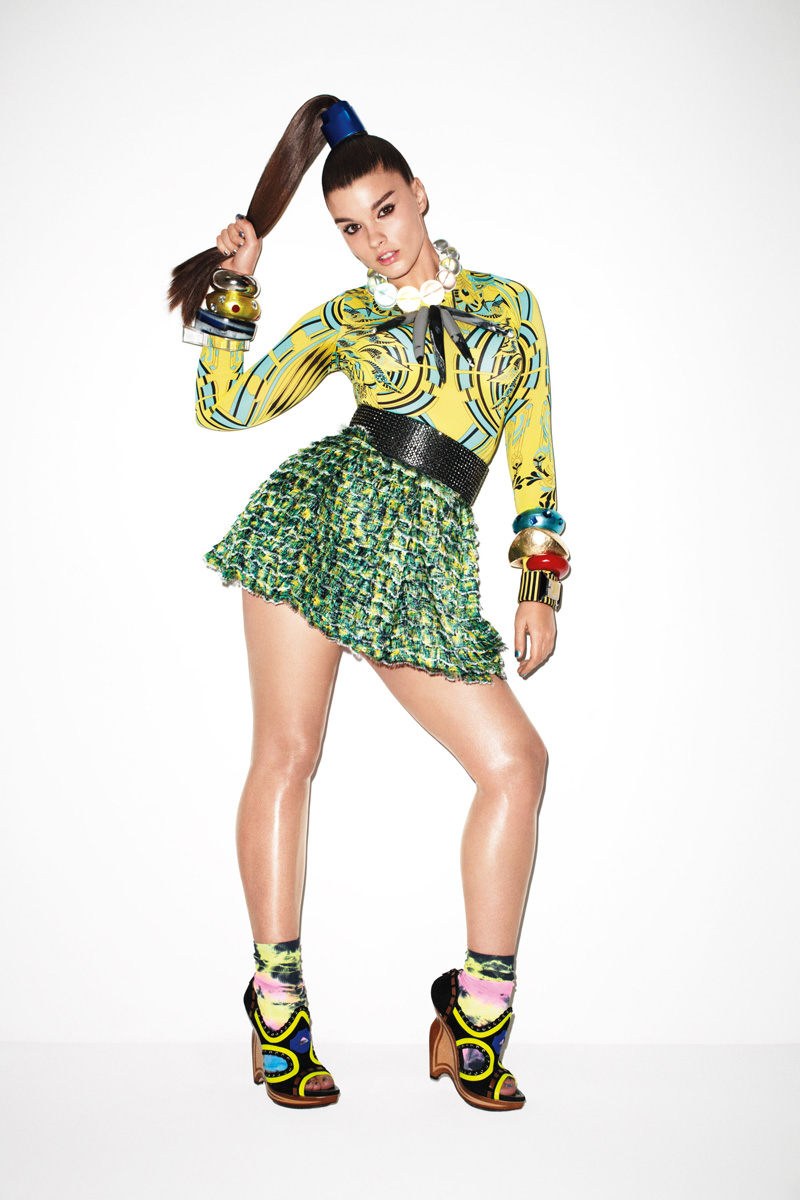
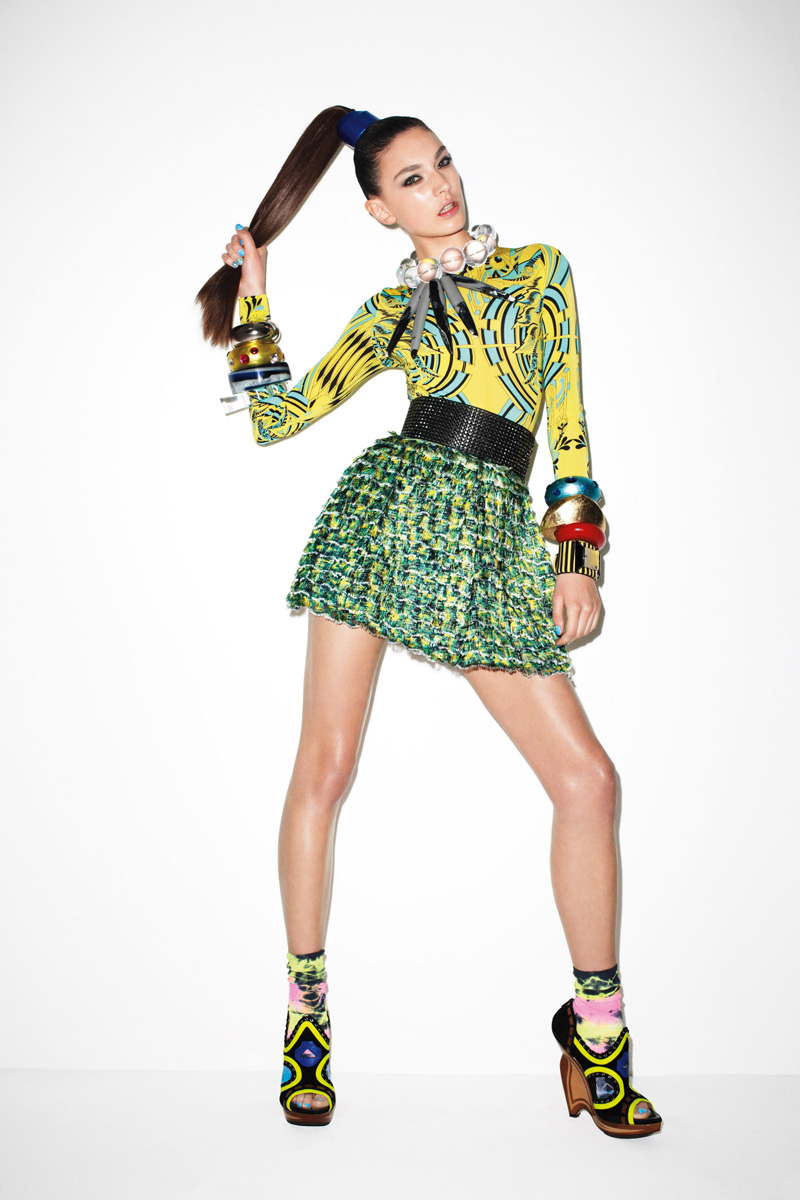
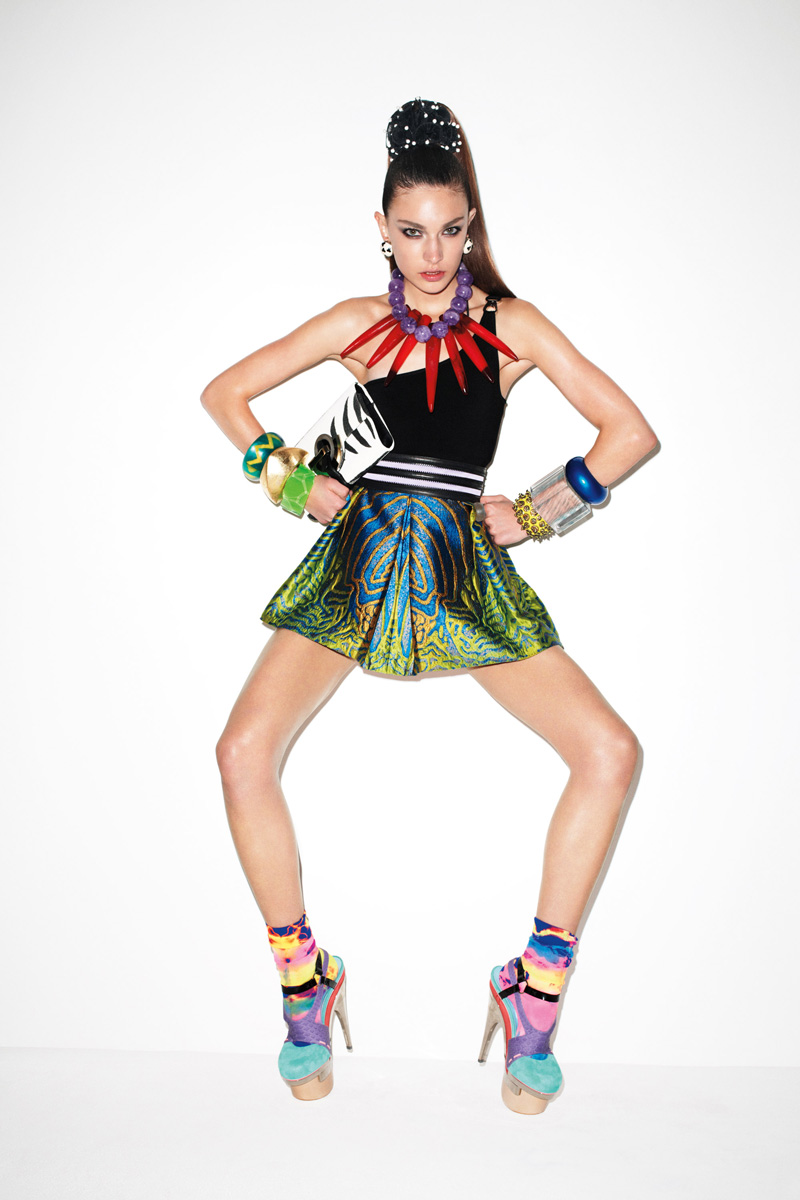
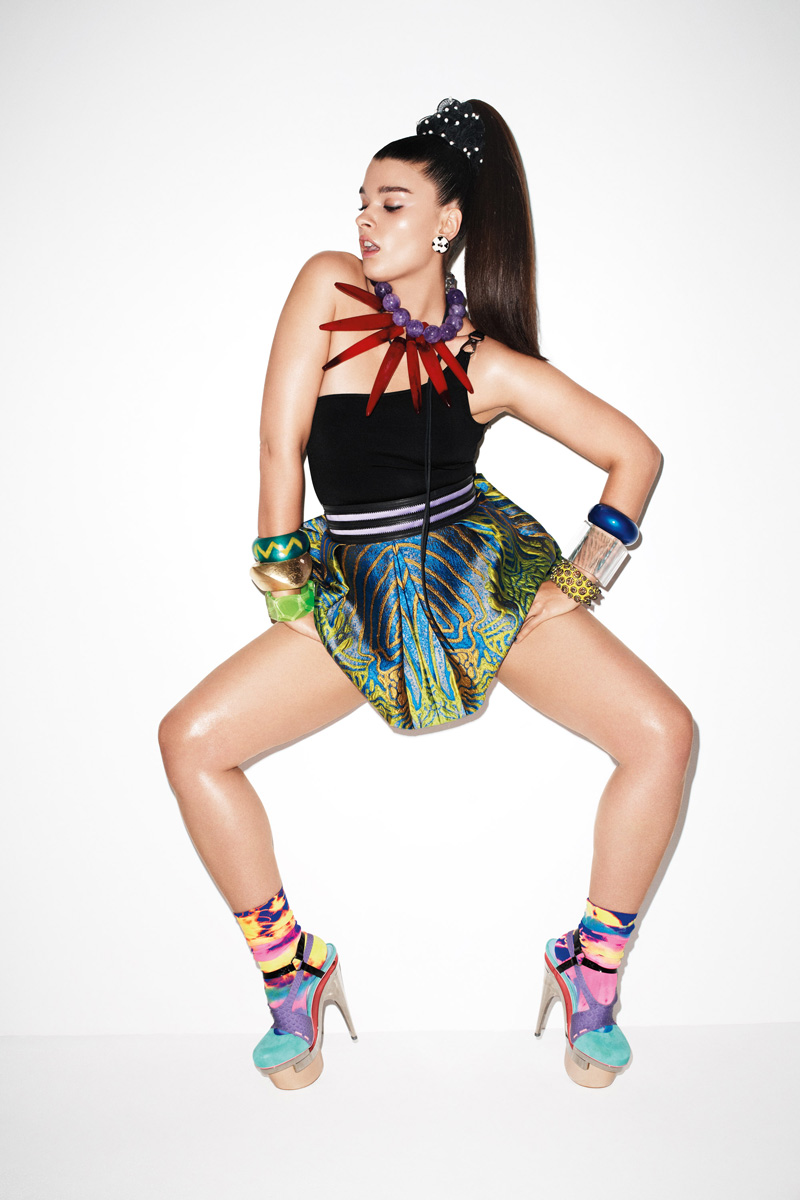
Photos from Models.com
This is actually quite striking. While both models are wearing the same exact thing, my response to them is so different. When I see the skinnier girl I just think... oh, Proenza Schouler. Okay. But I see the "plus sized" girl, I see clothes, personality, and the Remember The Time video by Michael Jackson. The contrast is so different because of the way I am used to seeing fashion. Which is why I question everything I said above.
Why is my response to the fashion sized model so vain? What do I really think I should see? Answers from a woman.
Terminus.


 Did you use one of these?

 Posts
Posts


1 comment:
in the first fashion/normal pairing, i did not notice that it was a different person. i thought they were the same.
Post a Comment